Aluminium Sliding Doors for Indoor-Outdoor Living
Leading Movements in Sliding Doors: Current Designs for Every Home
Sliding doors are evolving to meet modern design requirements. Their capacity to combine interior and exterior areas has become increasingly valued. Glass options provide a contemporary feel and improve daylight, while rustic barn doors offer a distinctive look. Homeowners now have multiple materials and styles to consider. As these patterns gain traction, understanding their impact on performance and aesthetics becomes crucial. What choices will best suit your space?

The Flourishing of Glass Sliding Doors: Why See-through Design Makes a Difference
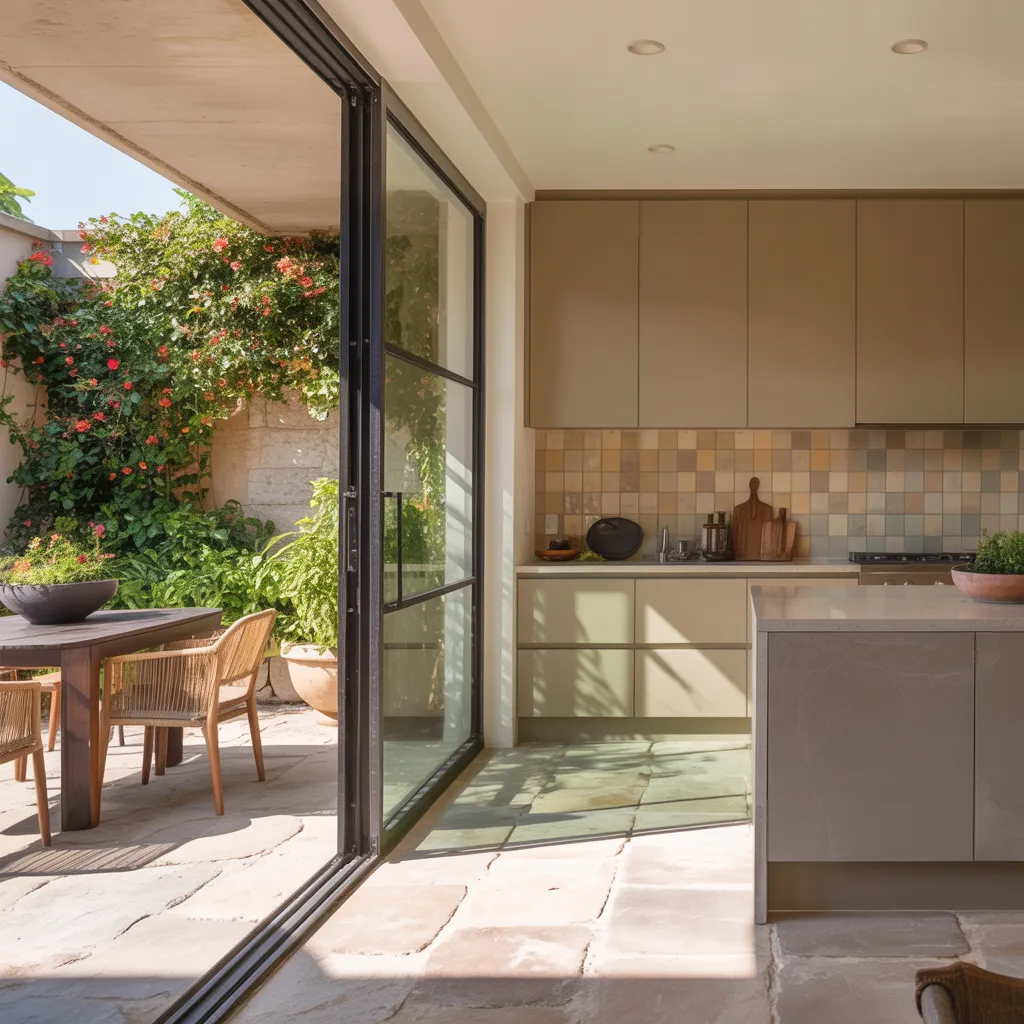
Homeowners are increasingly seeking to blend indoor and outdoor spaces, and the demand of glass sliding doors has surged. These doors offer a smooth transition, allowing natural light to fill interiors while offering unobstructed vistas of gardens and landscapes. Their sleek design elevates modern aesthetics, making them a favored choice for contemporary homes.
The application of transparent materials generates a impression of visibility, building an appealing ambiance that unites living spaces. Homeowners value the energy efficiency that modern glass technology offers, with options such as double glazing that protect against temperature fluctuations. Additionally, glass sliding doors are accessible in various configurations, catering to diverse architectural styles and preferences.
Safety features, such as tempered glass and robust locking mechanisms, assure security without diminishing style. Ultimately, the rise of glass sliding doors indicates a desire for functional beauty, merging sophistication with practicality in today's home design landscape.
Embracing Rustic Charm: The Allure of Barn Door Designs|Exploring Countryside Beauty: The Charm of Barn Door Options|Celebrating Pastoral Appeal: The Draw of Barn Door Looks|Adopting Rural Beauty: The Magnetism of Barn Door Selections
Barn door styles showcase an alluring portrayal of rustic charm, gaining traction in modern home design. These doors seamlessly blend functionality and aesthetic appeal, supplying a remarkable feature in various spaces. Characterized by their strong construction and often time-worn textures, barn doors evoke a sense of longing for the past while ensuring contemporary utility.
Often made from wood, these sliding doors can be customized in various colors and textures, allowing homeowners to match them with their existing decor. Their space-saving design is especially advantageous in smaller homes, where traditional copyrightd doors might be impractical. Barn doors can serve as room dividers, closet doors, or even bathroom entries, improving the overall flow of a home.
Barn doors display a rustic quality that offers warmth while encouraging a storytelling character, cementing their status as a timeless option for people aiming to incorporate personal character into their residential spaces.
Bi-Fold vs. Pocket Doors: Which Is Right for Your Space?
Which door category works best for a property owner's needs: bi-fold or pocket doors? Both offerings offer unique advantages, catering to different spatial requirements and aesthetic preferences. Bi-fold doors incorporate varied leaves that fold backwards against themselves, creating a generous opening. This design is perfect for merging indoor and outdoor spaces, enhancing ambient radiance, and delivering a seamless passage. They function well in larger areas, such as patios or dining rooms.
On the other hand, pocket doors slip into the wall, completely disappearing when opened. This benefit maximizes floor space and is perfect for smaller areas, such as bathrooms or closets, where swing space is restricted. Pocket doors provide a minimalist, sleek look, enhancing modern interiors.
In the end, the selection between pocket and bi-fold doors is based on the particular arrangement and functionality required in a home. Homeowners should evaluate their space to establish which approach corresponds with their lifestyle and design goals.
Determining the Correct Type for Your Sliding Door: Wood, Aluminum, or Vinyl?
Picking a sliding door means that the choice of substance has an essential function in both operation and design. Wood brings coziness and consult this source a timeless quality, making it a popular choice for vintage locations. Conversely, aluminum provides durability and a sleek, modern look, appealing to contemporary designs.
Wood: Warmth And Aesthetics
Wooden sliding doors project a special warmth and artistic charm that can upgrade any space. Their distinctive patterns and deep shades create an inviting atmosphere, making them a popular choice for both contemporary and classic interiors. The versatility of wood allows for various finishes, from glossy coatings to rough dyes, catering to diverse design preferences. In addition, wood offers good insulating qualities, enhancing energy efficiency while adding a snug environment. The tactile experience of wood, combined with its ability to harmonize with other materials, contributes to a tranquil mood. Moreover, wooden doors can be crafted in size and style, ensuring a perfect fit for any opening, thereby elevating the overall design of a home.
Aluminum: Robust Construction And Advanced Technology
Aluminum sliding doors integrate a balance of durability and modernity, making them an appealing choice for contemporary spaces. Known for their strength, aluminum can withstand harsh weather conditions without warping or rusting, ensuring long-term performance. This material is lightweight yet robust, facilitating smooth operation and ease of installation. Additionally, aluminum's sleek finish complements various architectural styles, enhancing the aesthetic appeal of any home.
Energy efficiency is additionally a significant advantage, as modern aluminum doors often include thermal breaks that reduce heat transfer. With a wide range of colors and finishes provided, homeowners can modify their doors to suit their design requirements. Ultimately, aluminum sliding doors provide a functional and modern solution for anyone planning to elevate their living space.
How Intelligent Automated Sliding Doors Can Boost Your Home's Safety?
Smart sliding doors strengthen home safety through sophisticated lock systems that provide better defense to intrusion. Additionally, many models incorporate integrated security cameras, allowing homeowners to observe their entry points in real-time. With seamless smart home integration, these doors can be managed from anywhere, offering peace of mind and ease.
Modern Locking Mechanisms
Even though classic sliding doors include standard security aspects, advanced advancements in locking technology have considerably enhanced home safety. Modern sliding doors are now available with advanced locks that use keyless entry, biometric scanning, or smartphone connectivity. These features enable homeowners to monitor access from anywhere and manage who comes into their home, adding a further layer of protection. Some systems also include automatic locking features that engage as soon as the door is closed, ensuring security without manual action. Additionally, multi-point locking systems distribute pressure across the door frame, making forced entry considerably more difficult. As a result, advanced locking mechanisms in sliding doors not only provide convenience but also considerably improve overall home security.
Integrated Monitoring Cameras
With homeowners steadily seeking extensive security solutions, integrated security cameras in sliding doors have become a valuable feature. These cameras enable live surveillance, allowing residents to monitor entry points directly from their smartphones or other devices. By incorporating HD video and night vision features, these systems increase visibility and help deter potential intruders. Additionally, many models offer movement alerts, making sure homeowners are immediately alerted to any unusual activity. The seamless integration of these cameras into the door design maintains aesthetic appeal while improving security measures. Lastly, recorded footage serves as essential evidence if incidents arise, further underscoring the value of integrated security cameras in modern sliding door designs.
Smart Home Implementation
Using smart home technology in sliding doors provides an additional layer of protection that complements built-in security cameras. Smart sliding doors may feature state-of-the-art locking mechanisms that homeowners can control remotely via smartphone apps. This functionality permits homeowners to oversee and secure their entrances from any location, enhancing security awareness. Moreover, many smart doors come with sensors that alert users to unauthorized access attempts through real-time notifications. Automated locking systems can also be programmed to lock at preset times, preventing accidental door-open scenarios. Furthermore, integration with smart home ecosystems allows for efficient coordination with other devices such as alarms and lighting systems, forming a comprehensive security network. In conclusion, smart sliding doors illustrate a modern approach to bolstering home safety.
Optimizing Outdoor Living: Creating Uninterrupted Indoor-Outdoor Passages
Seamless indoor-outdoor movements have become a hallmark of contemporary architecture, transforming living spaces into cohesive settings that blur the lines between inside and outside. This movement is prominently displayed in the use of sliding doors, which allow easy access to outdoor areas such as patios and gardens. By integrating large glass panels, these doors not only enhance natural light but also deliver unobstructed views of the surroundings, forming an inviting atmosphere.
work with any design aesthetic, making them a versatile choice
Customization Possibilities: Personalizing Sliding Doors to Align with Your Design Style
The attraction of patio doors reaches beyond their practicality; customization options permit homeowners to customize these elements to their unique aesthetic tastes. Various substances, such as wood, aluminum, and fiberglass, present unique looks and durability. Homeowners can pick from a range of options, including paint, stain, and natural textures, guaranteeing that the sliding doors match their indoor and outdoor styles.
Glass choices also play a critical role in customization. Homeowners may select between clear, frosted, or tinted glass to achieve the specified level of privacy and light passage. Additionally, hardware styles and colors, including handles and tracks, can be adjusted to produce a integrated look.
At last, homeowners can discover creative arrangements, such as bi-fold or pocket doors, allowing for greater flexibility in visual presentation. This level of customization confirms that sliding doors not only optimize function but also reflect individual style and taste.
Regularly Requested Questions
How Do Sliding Doors Impact Natural Light in a Room?
Sliding doors significantly boost natural light in a room by supplying expansive transparent surfaces, letting sunshine reach further into the interior. This lighting establishes a lighter, more welcoming atmosphere while optically enlarging the area.
What maintenance requirements do sliding door units require?
Sliding doors need regular maintenance, including wiping out tracks to avoid debris buildup, oiling rollers for seamless functionality, and inspecting seals for wear. Regular check-ups guarantee longevity and peak performance in any home environment.
Are Sliding Panels Appropriate for Small Spaces?
Sliding doors can be effectively placed in small spaces, offering a compact solution. Their ability to slide open rather than swing makes them perfect for tight areas while enhancing natural light and ease of access.
Do Sliding Doors Offer Energy-Conserving Alternatives for Properties?
Sliding doors provide energy-saving choices for residences, particularly when equipped with double or triple-glazed panels. Their ability to curtail air leakage and maximize natural light supports to overall energy savings and comfort.
How Can I Find the Correct Sliding Door Equipment?
To select the correct sliding door hardware, one should evaluate load-bearing capability, material suitability, visual appeal, and installation simplicity. Additionally, working with experts guarantees performance matches personal preferences and safety needs.